

THE FIRST SONGAB: A Witness-Key Returns Through the Papago Assembly

THE FIRST SONGAB: A Witness-Key Returns Through the Papago Assembly

On October 25, 2026, in Rocky Point, Sonora, the record of Songab the First was revealed by the Anangokaa Midewiwin Teaching Lodge, the Indigenous Governor of the Papago Nation and the National Assembly. What had been carried through generations of concealment was placed openly among the people of the desert heart. The copper abridgment and the English account now stand available as a living witness-key—not the whole of what was hidden, but the identity, the joining, the teachings, the lines, and the signs by which the fuller record may later be recognized.
Songab writes as senior keeper of the Greater Deer Family, the office that gathers without erasing. Through the sisters of Mulek the living remembrance of Yehudah was preserved. Through the sons of Adikiins the Deer responsibility of Naftali was carried. From their joined generations arose Adik and Mooz, and from those generations the family charged to hold both witnesses together. Songab is both personal name and continuing title: first servant of the reunited House of Israel, not unrestricted king.
The account begins in the Great Hunger. Remnants of the ten houses—Reuven, Shimon, Levi, Dan, Naftali, Gad, Asher, Yissakhar, Zevulun, and Binyamin—turned from the southern river road toward a northern vision. They bound themselves by oath that no house would erase another. Dan judged with equity. Naftali searched, suffered, and returned under the Deer Banner, raised not for dominion but for service. The Five Teachings were received and renewed: freedom, stewardship of the land, preservation of sustenance, living waters, and places of refuge. The Covenant of the Hidden Name protected remembrance without destroying it. The Oath of Remembrance kept ancestral names alive while children were born beneath unfamiliar stars.
The journey passed through snow mountains, the narrowing between the waters, and the ordered stages of the Northern Passage. The people entered the northwestern border of the Enduring Land—Turtle Island—not as conquerors of an empty place, but as stewards who acknowledged existing life and prior presence. A vision showed the inheritance as a great Deer whose members remain distinct yet joined by rivers that carry water, warning, aid, and return. MAHKOTA became the Heart of the Turtle. Later the Sonoran refuge was known as the Heart of the Deer. Communities were ordered by body-points so later keepers could find the scattered without revealing them to enemies.
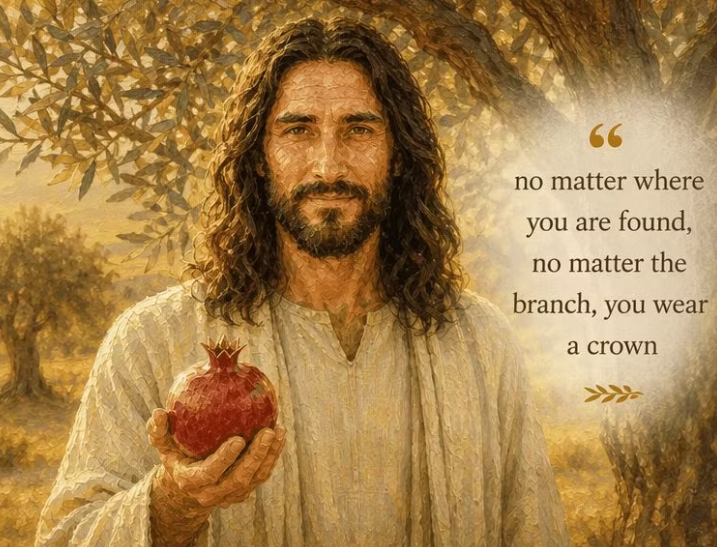
In the Heart of the Deer, Jesus-Itoyi came. Si-hemad, keeper of remembrance, preserved the sayings heard among the Desert people: teachings on the Great Spirit, prayer, forgiveness, healing, animals, purity, families, children, elders, leaders, wealth, service, truth, pride, sickness, death, the soul, the Path, and the People. The final blessing asks the Fullness to give Light to the Spirit, Life to the Breath, and balance to the Heart, so that teaching becomes remembrance, remembrance becomes wisdom, and wisdom guides the Path. The People are called to gather in unity, preserve one another, and return what they received.
Seven generations after that witness, the Lamaa War began when guarded roads, provisions, refuge knowledge, and gathered records were treated as objects of centralized possession. The Paths of Hiding opened—not one secret road, but a divided system that protected living families, lineage keepers, teachings, recognition signs, and communication. Records were copied, divided, memorized, and entrusted so that the capture of one traveler or one bundle could not end the whole. Songab later gathered what returned, compared witnesses, marked differences, and refused to invent what had been lost. These thirty-two plates are the abridgment and the key. The principal record hidden through Merunhi remains greater; the signs by which it may be recognized are preserved here.
The genealogy closes the circle. Songab traces the fathers through Adikiins and Tamar bat Tzidqiyahu—sister of Mulek, daughter of Tzidqiyahu, king of Yehudah—back through the royal line to David, Yishai, and Ya’aqov. Through Tamar came the living remembrance of Yehudah. Through Adikiins came the Deer responsibility of Naftali. The two houses stand joined while retaining the identity of each witness.
The reveal on October 25 with the Papago Indigenous Governor and National Assembly was not the invention of a new covenant. It was the return of what had already been entrusted. The Hidden Houses had preserved their portion. The Witness of Yosef had come through the descendants of Layi-Lhi. The Witness of Yehudah had come through the sisters. Jesus-Itoyi had taught in the Heart of the Deer. The Paths of Hiding had carried the fragments through war and scattering. Now the witness-key stands among the people who have long known the desert, the mountain, the living waters, and the Path.
The greatest battle remains the one Songab and the earlier keepers named: not the enemy outside the camp, but the forgetting of who we are, where we came from, and our relationship with the Source. These plates do not replace the living people. They call the living people back to the names, the teachings, the joined responsibilities, and the charge to gather without erasing.
The English record is now available. Receive it. Compare it. Preserve what agrees. Mark what differs. Return what has been given. The Deer still carries both striving and royal remembrance. The Heart of the Deer still holds the sayings. The office of Songab continues as service. And the generations yet to come are already named in the blessing that asks for Light, Life, and balance so the Path may remain known.


Comments