


The Greatest Battle Is Not Around Us: it is in remembering the Christ

Updated: Aug 31
The world is noisy.
Every day we hear of another conflict, another crisis, another division.
Nations struggle.
Communities argue.
Families strain under pressures that seem to grow heavier with each passing year.
When we witness these things, it is natural to ask:
What is happening to the world?
Yet the ancient teachings ask a different question.
What is happening to us?
The records of Maamin teach that the greatest danger to a people is not found in armies, governments, economic systems, or rivals. The greatest danger is forgetting. The danger begins when a people forget who they are, where they came from, what they were taught, and why they exist.
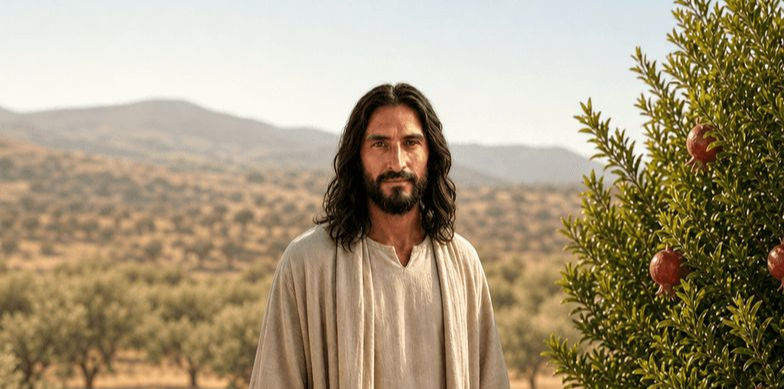
When Yahaazhowa walked among the Firstborn Peoples, He did not begin by teaching conquest.
He taught unity.
He taught peace.
He taught service.
He taught that the heart was more important than power.
He taught that we should seek unity as naturally as we seek water.
The Great Peacemaker gathered people together and reminded them that no nation, family, or individual can thrive when separated from the Creator or from one another. The teachings repeatedly emphasize kindness, balance, compassion, and right relationship.
Over time, however, people often drift.
They become distracted.
They begin pursuing victory rather than wisdom.
Possessions rather than purpose.
Power rather than service.
And slowly, the forgetting begins.
The records describe this pattern repeatedly. Before destruction comes confusion. Before confusion comes pride. Before pride comes forgetting.
Yet there is also a hopeful message.
The records do not merely describe decline.
They describe restoration.
Again and again, faithful elders, keepers, families, and lodges preserved the memory of what mattered most. Sacred teachings were carried forward. Records were preserved. Languages survived. Ceremonies endured. The chain was never broken.
This is why remembering matters.
Remembering is not simply an exercise in nostalgia.
Remembering restores identity.
Remembering restores purpose.
Remembering restores direction.
Most importantly, remembering restores our relationship with Yahaazhowa.
Many people today are searching for answers.
Some search through politics.
Some search through technology.
Some search through wealth.
Some search through endless information.
Yet history teaches that information alone is not enough.
A people may have information and still lose wisdom.
They may possess records and still lose understanding.
They may inherit knowledge and still forget why that knowledge mattered.
That is why the work of remembering is sacred.
The purpose of remembering is not merely to know the past.
The purpose of remembering is to live differently in the present.
The teachings of the Midewiwin call us toward kindness.
The teachings of Yahaazhowa call us toward peace.
The records call us toward restoration.
And all three call us toward becoming better human beings.
As this new series begins, consider a simple question:
What have you been entrusted to remember?
Perhaps it is a teaching.
Perhaps it is a story.
Perhaps it is a language.
Perhaps it is a promise.
Perhaps it is your relationship with the Creator.
Whatever it may be, preserve it.
Share it.
Live it.
Because the future is not built only by those who discover new things.
The future is also built by those who faithfully remember what must never be lost.
And that is where restoration always begins.
Miigwech.
"Inasmuch as ye have done it unto one of the least of these my brethren, ye have done it unto me."
-Matthew 25:40
P.S. If you have ever wondered,



Comments