


Exploring Traditional Beliefs of America's First Peoples
- datadavidtaylor1
- 11 hours ago
- 4 min read
The rich tapestry of beliefs held by America's First Peoples offers a profound insight into their worldviews, values, and connections to the land. These traditional beliefs are not merely relics of the past; they continue to shape the identities and practices of Indigenous communities today. In this blog post, we will delve into the core aspects of these beliefs, exploring their significance, diversity, and the ways they manifest in contemporary life.
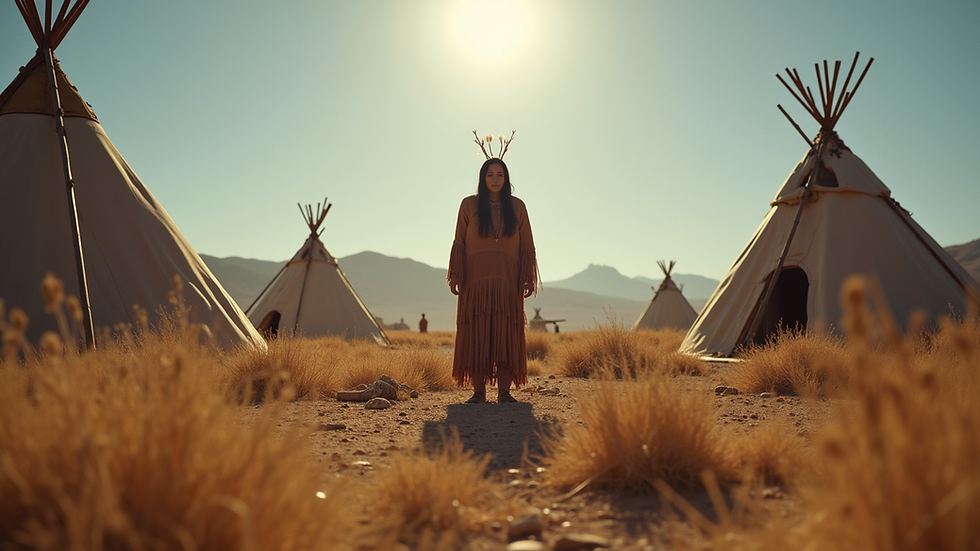
Understanding Traditional Beliefs
Traditional beliefs among America's First Peoples are deeply rooted in their history, culture, and relationship with nature. These beliefs often encompass spirituality, cosmology, and a profound respect for the environment.
Spirituality and Cosmology
At the heart of many Indigenous belief systems is a spiritual connection to the land and the universe. This connection is often expressed through:
Creation Stories: Many tribes have unique creation myths that explain the origins of the world, humanity, and the relationship between people and nature. For instance, the Lakota Sioux tell stories of the Earth being created from the body of a giant turtle, symbolizing the interconnectedness of all life.
Spiritual Beings: Indigenous cultures often believe in a variety of spiritual entities, including ancestors, animal spirits, and natural forces. These beings are seen as guides and protectors, influencing daily life and decision-making.
Connection to Nature
Nature plays a crucial role in the traditional beliefs of America's First Peoples. The land is not merely a resource; it is a living entity with which they share a reciprocal relationship. This connection is evident in practices such as:
Sustainable Living: Many Indigenous communities practice sustainable agriculture, hunting, and fishing, ensuring that their actions do not harm the environment. The concept of "taking only what you need" is a guiding principle.
Ceremonial Practices: Rituals and ceremonies often revolve around seasonal changes, agricultural cycles, and natural phenomena. For example, the Powwow is a gathering that celebrates culture, spirituality, and community, often featuring traditional dances and songs.
Diversity of Beliefs
While there are common themes among the traditional beliefs of America's First Peoples, it is essential to recognize the diversity that exists among different tribes and nations. Each group has its unique practices, languages, and spiritual beliefs.
Regional Variations
The geographical location of a tribe significantly influences its beliefs and practices. For example:
Northwest Coast Tribes: Tribes such as the Haida and Tlingit have rich traditions centered around totem poles, which tell stories of lineage and cultural history. Their beliefs often emphasize the importance of the ocean and its resources.
Plains Tribes: The Lakota and Cheyenne have a strong connection to the buffalo, which is central to their spirituality and sustenance. Rituals such as the Buffalo Dance celebrate this vital relationship.
Language and Storytelling
Language is a vital component of traditional beliefs. Many Indigenous languages contain words and phrases that encapsulate complex spiritual concepts. Storytelling is a primary means of passing down knowledge and beliefs from one generation to the next.
Oral Traditions: Elders play a crucial role in preserving and sharing stories that convey moral lessons, cultural values, and historical events. These narratives often include teachings about respect for nature and community.
Contemporary Manifestations
Traditional beliefs are not static; they evolve and adapt to contemporary life. Many Indigenous communities actively incorporate their beliefs into modern practices, ensuring their relevance in today's world.
Cultural Revitalization
In recent years, there has been a resurgence of interest in traditional beliefs and practices among Indigenous youth. This cultural revitalization is evident in:
Education: Many tribes are developing educational programs that teach traditional languages, stories, and practices. This effort helps to instill a sense of identity and pride in younger generations.
Art and Expression: Indigenous artists are increasingly using traditional themes and techniques in their work, blending contemporary styles with ancestral knowledge. This fusion creates a vibrant cultural expression that resonates with both Indigenous and non-Indigenous audiences.
Advocacy and Environmental Stewardship
Many Indigenous communities are at the forefront of environmental advocacy, drawing on their traditional beliefs to fight for land and water rights. Their deep connection to nature informs their activism, emphasizing the importance of protecting the environment for future generations.
Land Rights: Indigenous groups are often involved in legal battles to reclaim ancestral lands and protect sacred sites. These efforts are rooted in the belief that the land is a living entity deserving of respect and protection.
Climate Change Awareness: Traditional ecological knowledge is increasingly recognized as valuable in addressing climate change. Indigenous practices that promote sustainability and biodiversity are being integrated into broader environmental strategies.
Conclusion
The traditional beliefs of America's First Peoples offer a rich and diverse understanding of spirituality, nature, and community. As these beliefs continue to evolve, they remain a vital part of Indigenous identity and culture. By recognizing and respecting these traditions, we can foster a deeper appreciation for the wisdom they hold and the lessons they offer for living in harmony with the world around us.
As we explore these beliefs, let us remember the importance of listening to Indigenous voices and supporting their efforts to preserve their cultures and protect their lands. Engaging with these traditions not only enriches our understanding of history but also inspires us to create a more sustainable and respectful future.


Comments